Culture & History · 3 min read
Yorkshire's industrial past you can still walk through
Salts Mill, the Piece Hall and the Calder Valley — a walk through the mills, canals and chapels that built Yorkshire.
Yorkshire Unlocked · November 2026
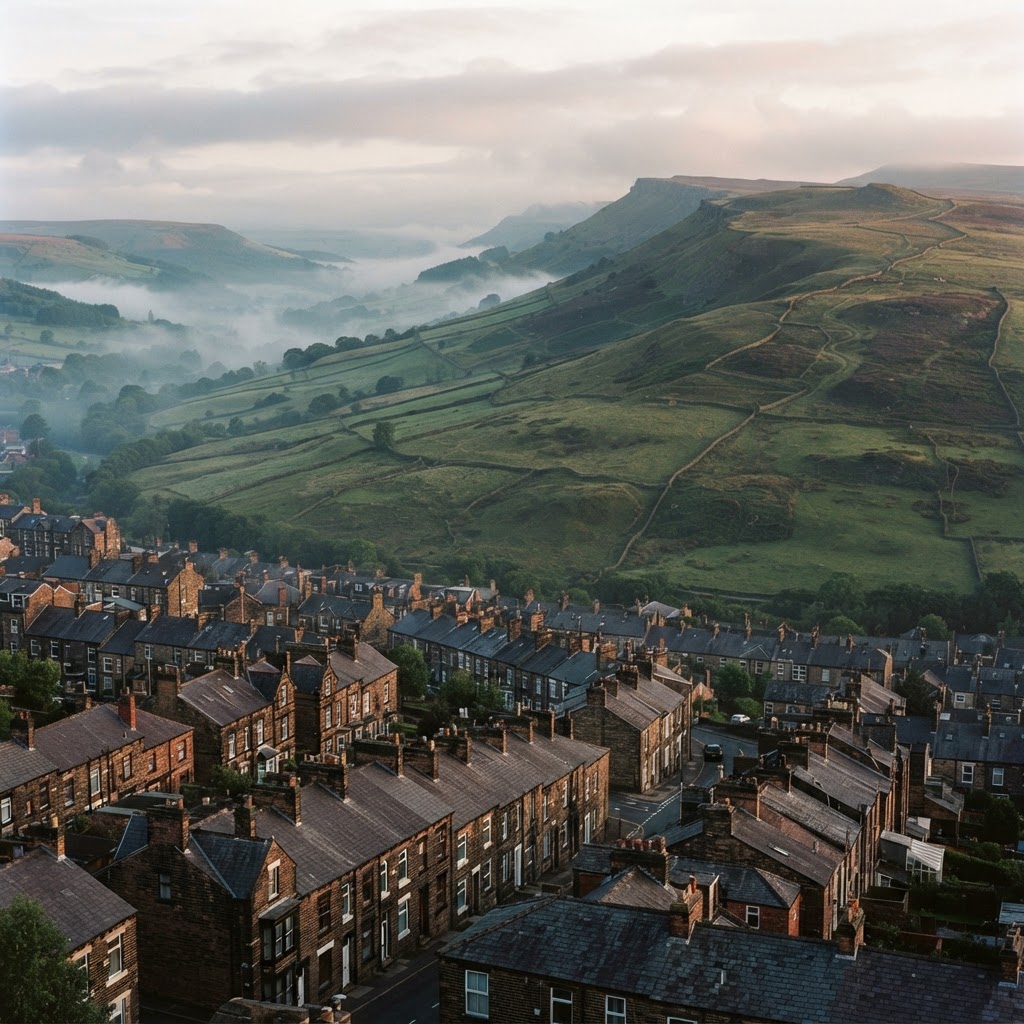
Yorkshire was built by wool, then by coal, then by the railway, and the buildings are still standing. You can walk through a century of industrial history in a weekend without entering a single museum with a turnstile.
Saltaire
A whole village built by a Victorian mill owner for his workers, with a hospital, a school, a church and almshouses, laid out on a grid. The mill itself now holds a Hockney gallery, a bookshop and a very good café. Walk the streets behind it: the houses are still lived in, and the scale of the philanthropy is obvious and slightly unsettling.
The Piece Hall, Halifax
A vast Georgian cloth hall, built for trading pieces of woven wool, restored into a courtyard of shops and bars. The architecture is astonishing — three tiers of arcades around an open square — and it is free to walk into. Go on a weekday morning when it is empty and you can hear your own footsteps.
Yorkshire's mills are not ruins. They are the county's largest buildings, and most of them are still in use.
The canal and the railway
The Calder and Hebble navigation runs alongside the railway through the valley, and the towpath is walkable for miles. This is the landscape of the industrial revolution in working order: water, coal, cloth and transport all in one narrow corridor.
A walking route
- Saltaire to Bingley — along the canal, past the five-rise locks, about four miles.
- Hebden Bridge to Todmorden — the towpath again, with the mill chimneys above.
- Halifax to Sowerby Bridge — the Piece Hall, then the canal basin, then the valley.
Practical
All three towns are on the Calder Valley and Brighouse rail lines, so this is a car-free trip. Wear shoes you can walk four miles in; the towpaths are flat but not smooth.
Keep reading